



When the water comes up in the Everglades, alligators have more flooded marsh to move through. From an airboat, that can make them harder to spot. A stretch of water that looked busy on one visit might look quiet on the next, simply because wildlife has more room to spread out.
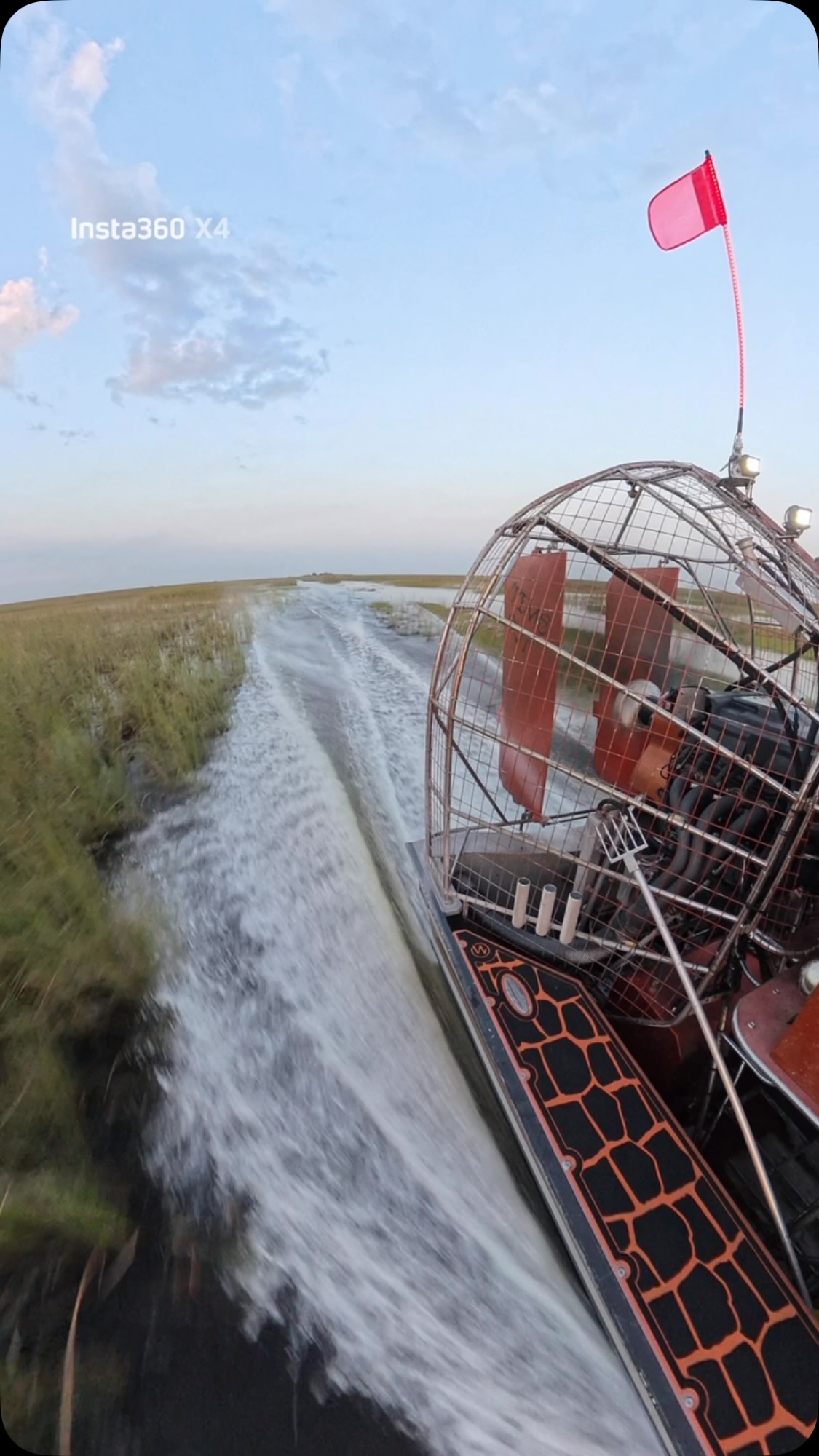
Photo by Capt Bill Ferris
Why wildlife spreads out when the marsh floods
As shallow stretches fill in, water reaches places that were dry or isolated earlier in the year. The National Park Service’s Everglades wet-season guide describes how rising water disperses wildlife and makes it harder to see. When the marsh dries down, the pattern can reverse. Alligator holes can hold water during dry periods, giving fish and other wildlife a place to shelter as the surrounding marsh gets shallower. For a look at the other side of that cycle, read Captain Bill’s account of airboating in the Everglades during the dry season.
Water depth tells you where animals have room to go. Sun and temperature help explain how active an alligator might be once it gets there. The Florida Fish and Wildlife Conservation Commission explains that alligators regulate their body temperature by basking or moving between warmer and cooler places. A sunny break after a cold morning may draw some out to bask even when water is high.
What to look for from the airboat
Watch where open water meets the grass. A floating alligator might show only its eyes and nostrils, and a dark shape can disappear in the reflection when the wind picks up. Give your eyes a few seconds to settle on one stretch of water. A heron standing still at the edge can be just as easy to overlook.
Polarized sunglasses help cut surface glare. If you’re bringing a camera, a zoom lens lets you frame an animal from a distance. Give wildlife space and follow your captain’s directions.
Planning a wildlife ride near Fort Lauderdale
As we say, “the early bird gets the gator.” Early mornings can be a good time to look, and so can sunset. It really comes down to water temperature, wind, and how much sun we’re getting. Every trip is different. If you have questions about what we’re seeing or when to go, contact Capt Bill directly.